Optimal Timing for Asphalt Sealcoating
Proper timing for asphalt driveway sealings is essential to maximize durability and effectiveness. Sealing during optimal weather conditions can extend the lifespan of the driveway and prevent premature deterioration.
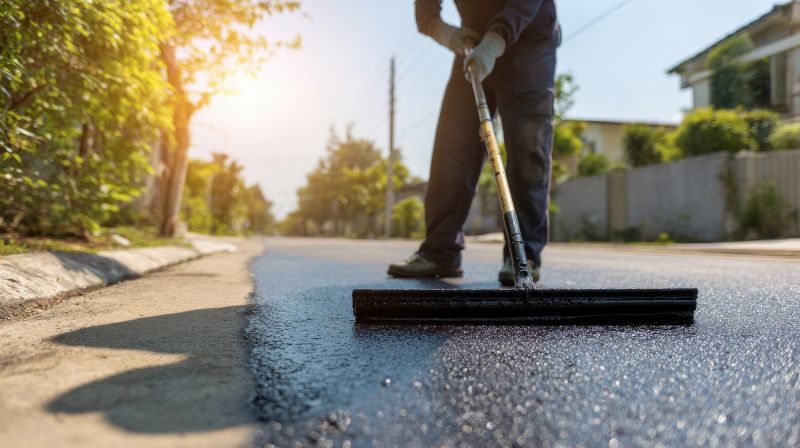
Spring offers moderate temperatures and low humidity, ideal for sealant adhesion and curing.
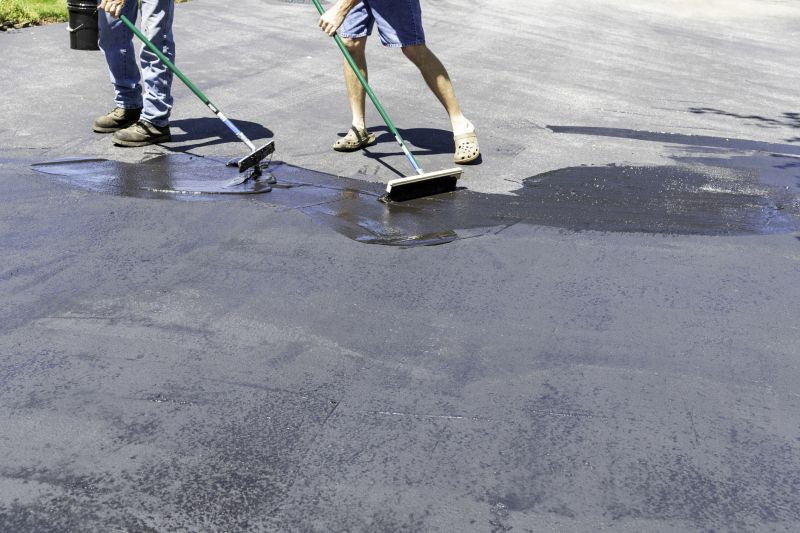
Summer provides warm, dry conditions but requires caution to avoid high temperatures that can cause sealant to dry too quickly.
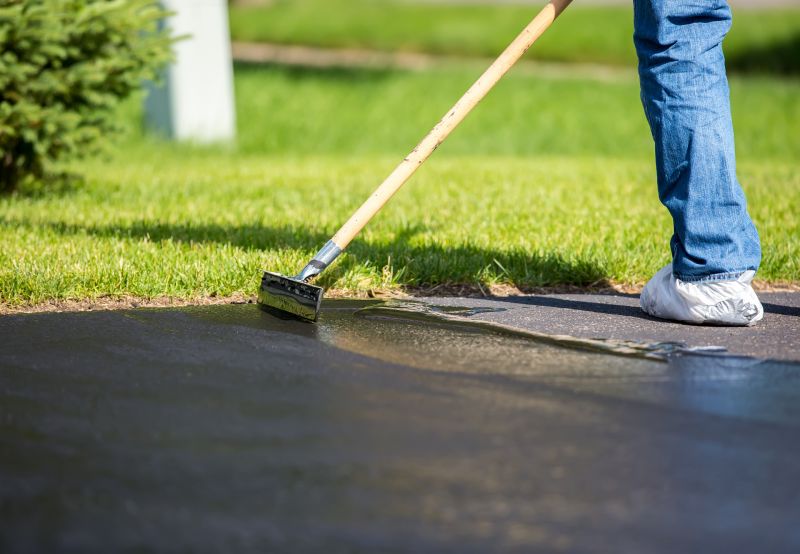
Fall can be suitable if temperatures remain above 50°F and humidity is low, ensuring proper curing before winter.
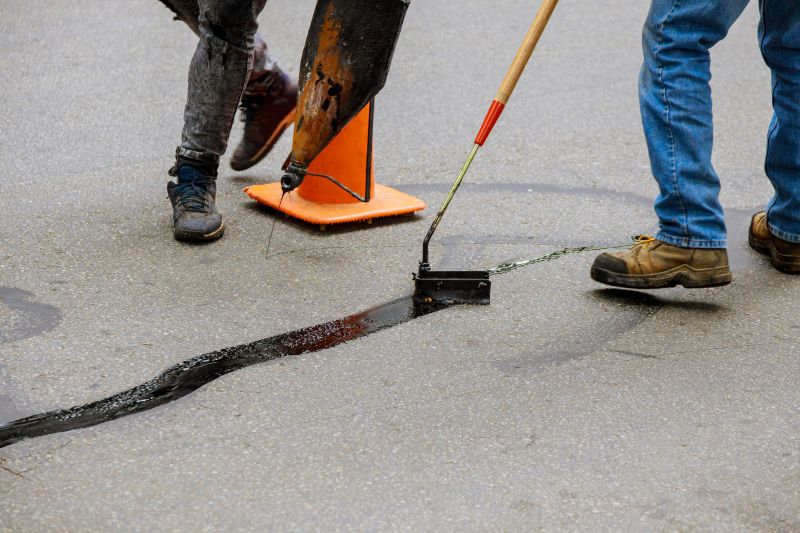
Ways to make Asphalt Driveway Sealings work in tight or awkward layouts.
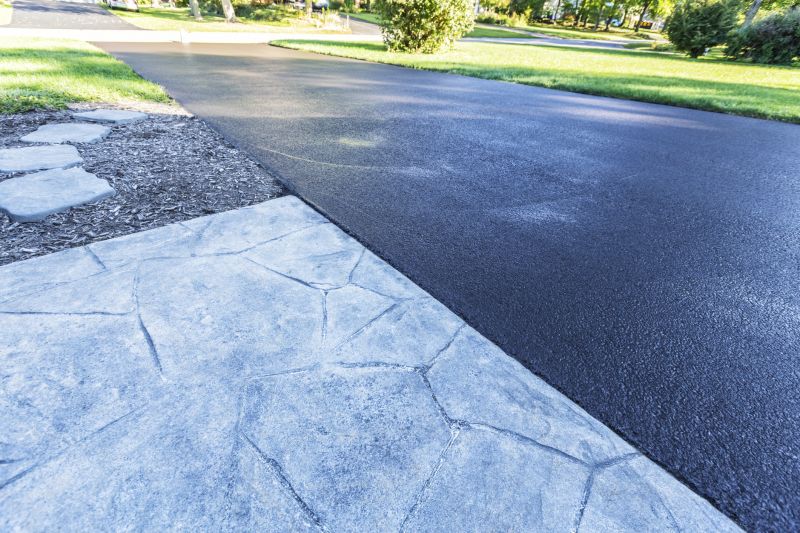
Popular materials for Asphalt Driveway Sealings and why they hold up over time.
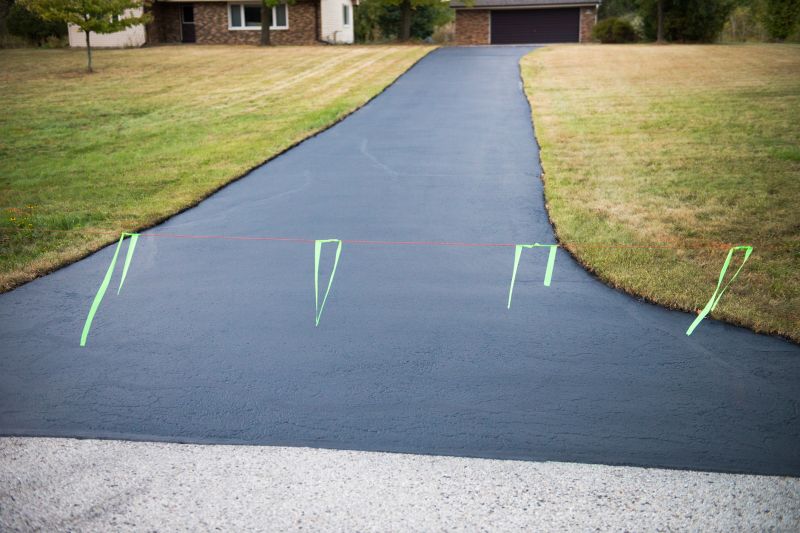
Simple add-ons that improve Asphalt Driveway Sealings without blowing the budget.
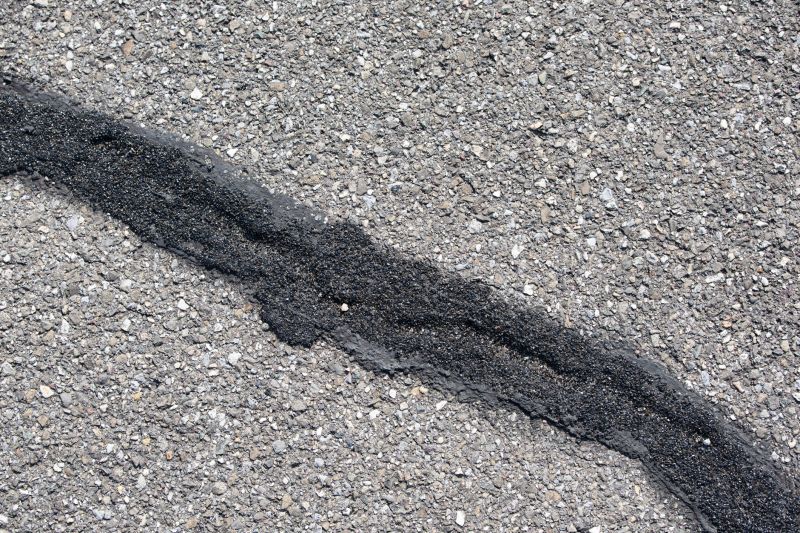
High-end options that actually feel worth it for Asphalt Driveway Sealings.
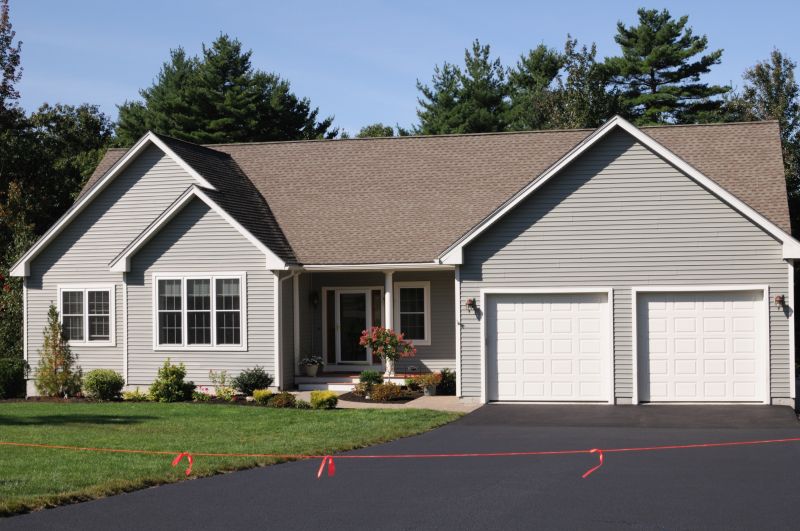
Finishes and colors that play nicely with Asphalt Driveway Sealings.
The best temperature for sealcoating is between 50°F and 85°F, with low humidity for proper curing.
Avoid sealings during rain, snow, or freezing temperatures to prevent improper adhesion and damage.
Sealing should be scheduled at least 24-48 hours after the last rainfall and when no rain is forecasted.
Late spring and early fall are generally preferred, avoiding extreme heat or cold.
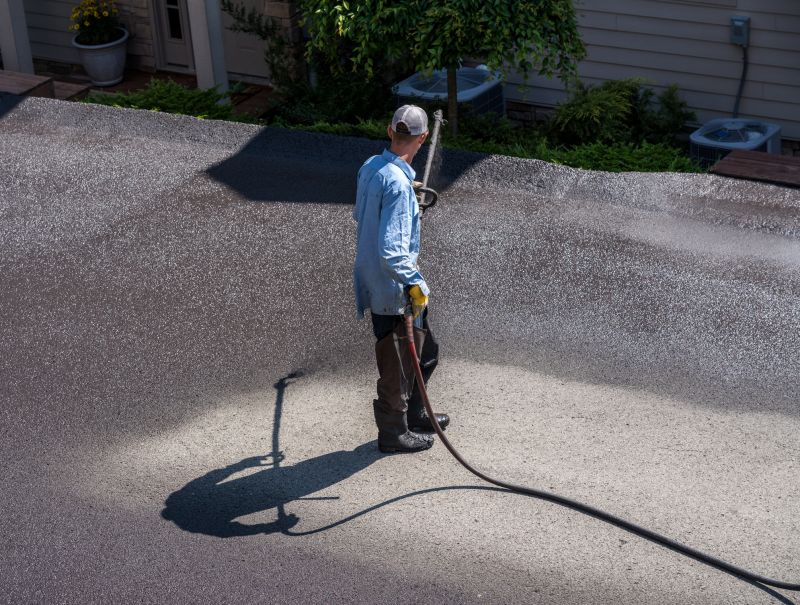
Ideal due to moderate temperatures and low humidity, promoting proper curing.
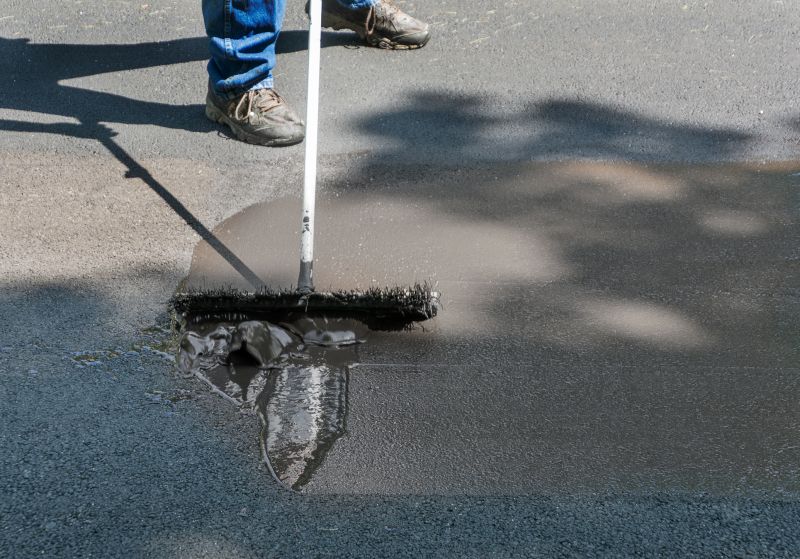
Requires caution during peak heat; early morning or late evening applications are recommended.
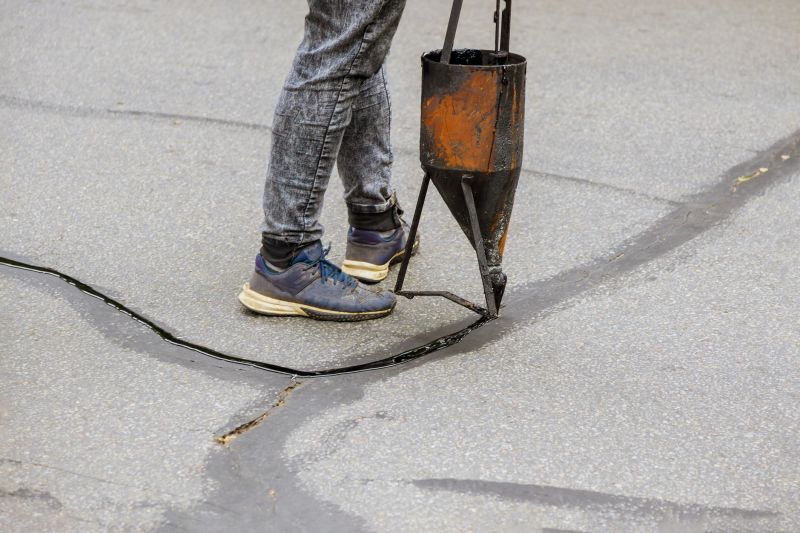
Suitable when temperatures stay above 50°F, ensuring sealant can cure properly before winter.
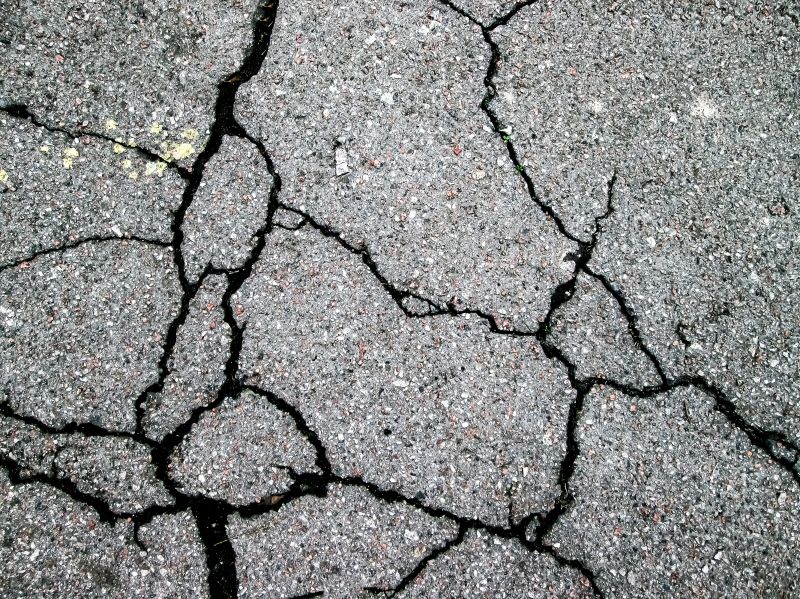
Generally not recommended due to freezing temperatures and high moisture levels.
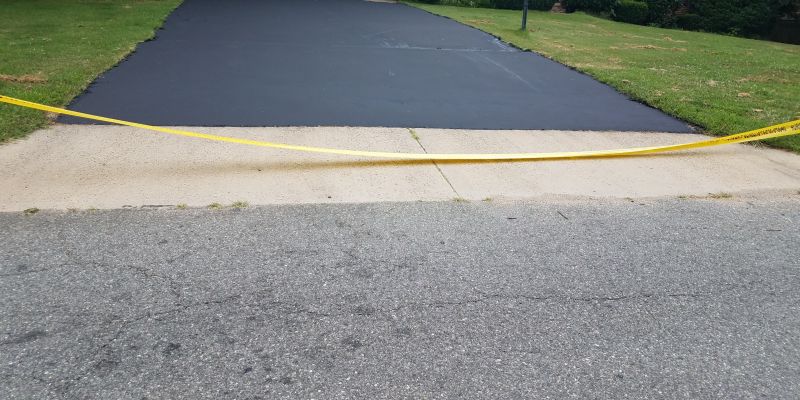
Little measurements that prevent headaches on Asphalt Driveway Sealings day.
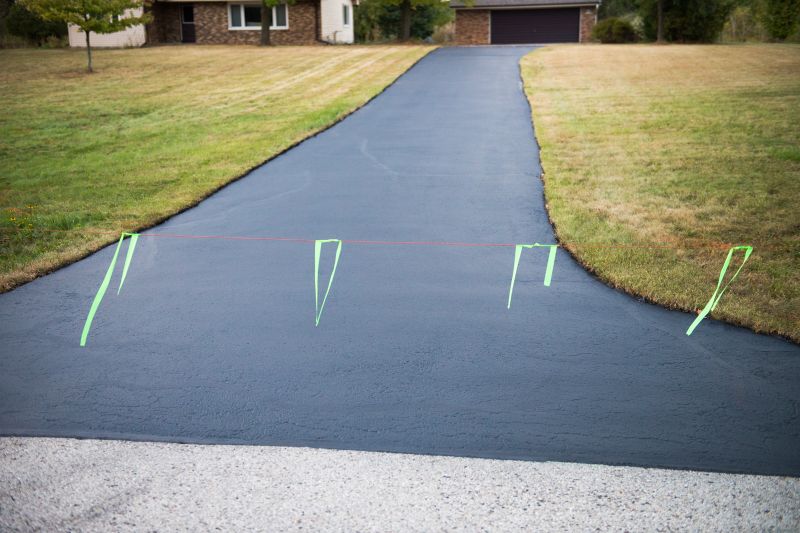
A 60-second routine that keeps Asphalt Driveway Sealings looking new.
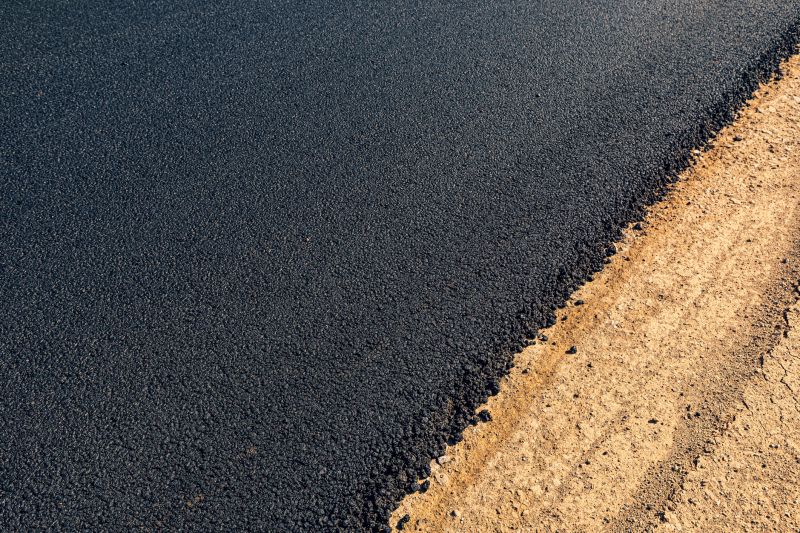
A frequent mistake in Asphalt Driveway Sealings and how to dodge it.
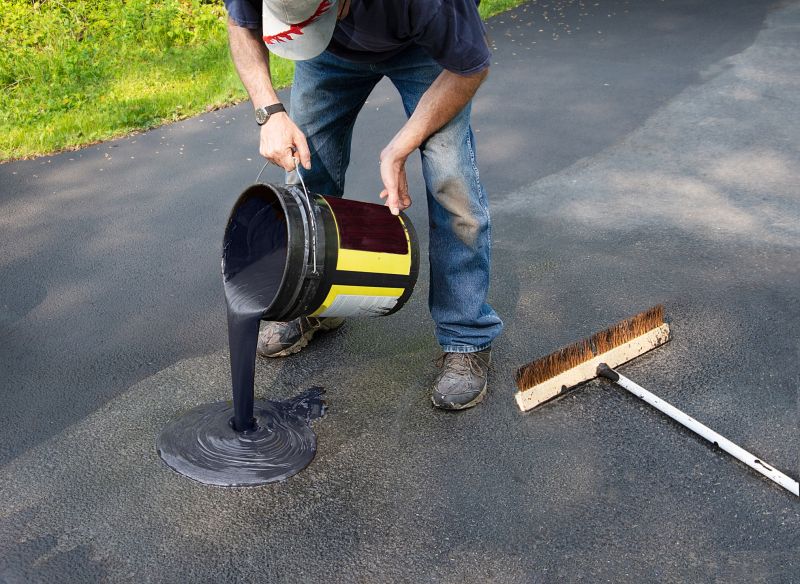
Small tweaks to make Asphalt Driveway Sealings safer and easier to use.
| Season | Recommended Conditions |
|---|---|
| Spring | Temperatures 50-70°F, low humidity, no rain forecast |
| Summer | Temperatures 70-85°F, avoid peak heat hours, dry conditions |
| Fall | Temperatures above 50°F, low humidity, no rain forecast |
| Winter | Not recommended due to freezing temperatures |
Applying asphalt driveway sealings at the right time can significantly enhance the surface's resistance to water, UV damage, and everyday wear. Proper scheduling based on weather patterns ensures the sealant adheres correctly and cures fully, providing long-lasting protection.
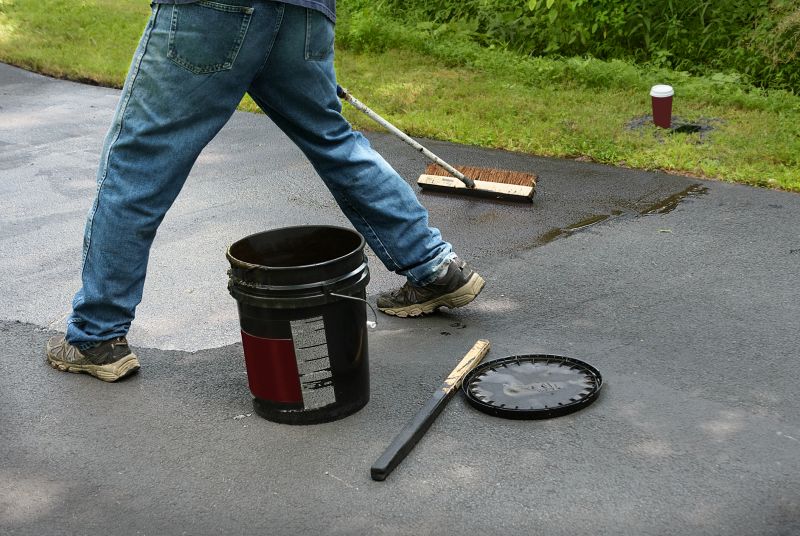
Proper timing and conditions lead to a smooth, durable sealant layer.
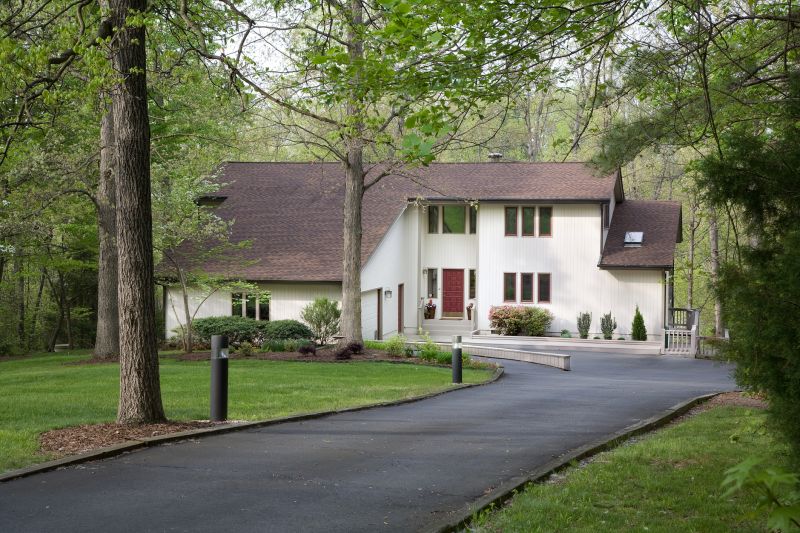
Lower-waste or water-saving choices for Asphalt Driveway Sealings.
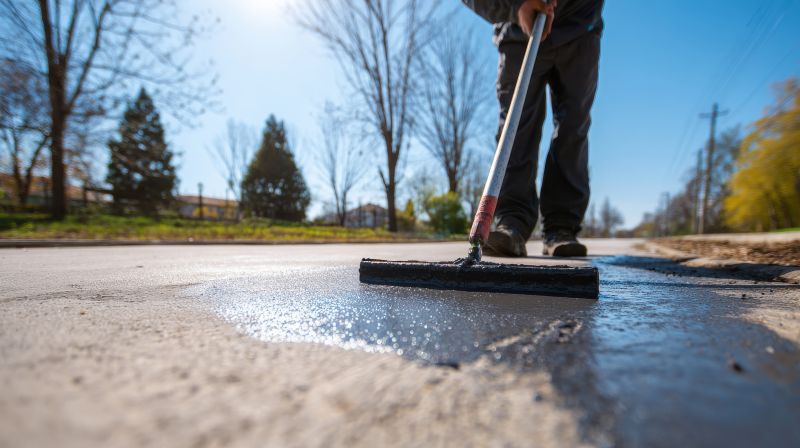
Scheduling sealings during suitable seasons extends driveway lifespan.
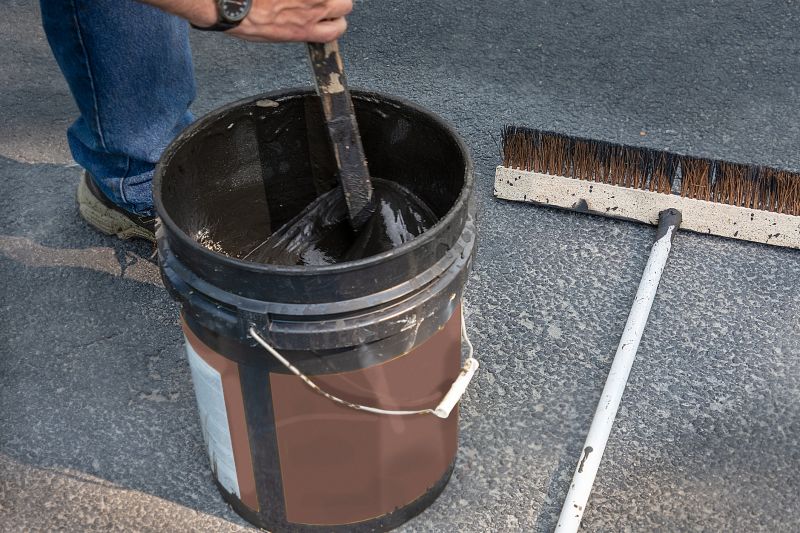
Clean and dry surfaces are essential for effective sealing.
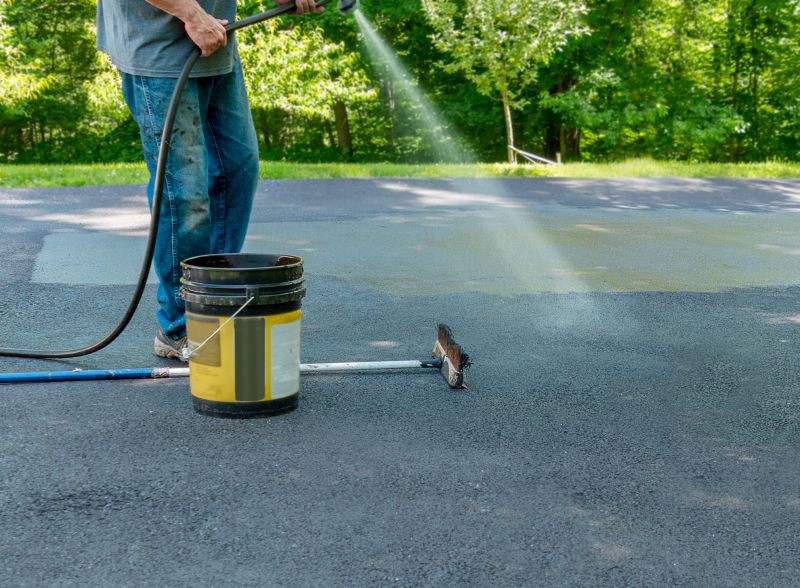
Rough timing from prep to clean-up for Asphalt Driveway Sealings.
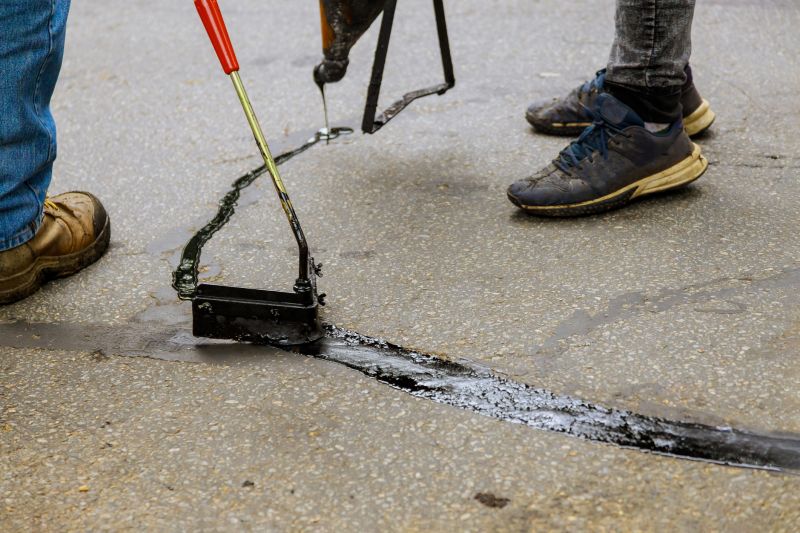
Quick checks and paperwork to keep after Asphalt Driveway Sealings.

Examples that show the impact a good Asphalt Driveway Sealings can make.
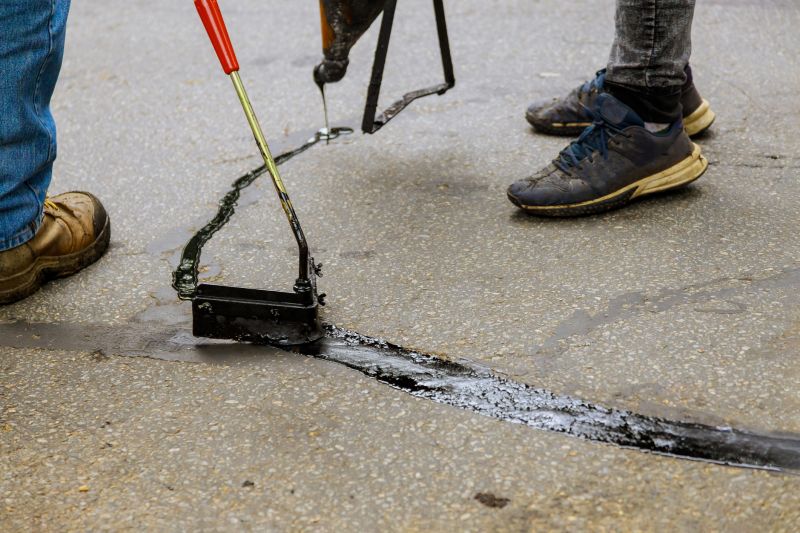
Ways to make Asphalt Driveway Sealings work in tight or awkward layouts.
Interested in scheduling an asphalt driveway sealing? Fill out the contact form to receive more information and assistance with planning the optimal timing for sealing your driveway.